
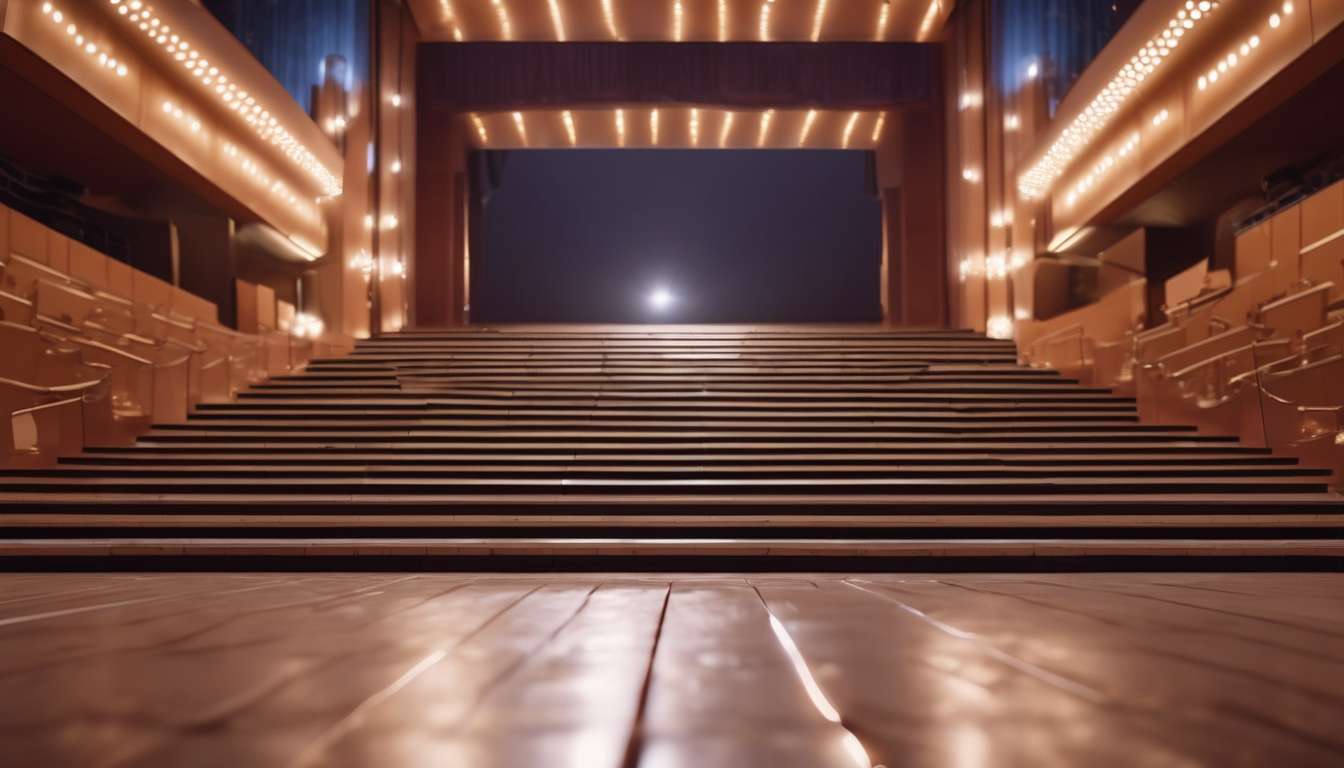
Few venues have done more to signal belonging than those reshaping themselves to welcome everyone to the dance floor.
We challenge the idea that live dance spaces must cater only to a narrow slice of patrons by showing how deliberate accessibility improvements expand participation, enrich performances, and transform community life.
When we lower stages, add tactile and audio descriptions, and design seating that accommodates mobility devices, we do more than meet codes — we invite new bodies, stories, and rhythms into the shared experience.
As curators, producers, performers, and audience members, we witness how these changes recalibrate expectations:
- Ticket sales diversify.
- Conversations deepen.
- Creative collaborations flourish.
We also recognize the practical gains that benefit everyone:
- Clearer sight lines.
- Better acoustics.
- Smoother entry flows.
This piece examines the bold choices venues are making, the barriers they dismantle, and the ripple effects that remind us accessibility is not a limitation but a powerful cultural enrichment.
Rethinking Venue Layouts
Design floor plans and seating for varied needs.
We should redesign floor plans and seating to make routes, viewing angles, and social spaces accessible to people with varied mobility, sensory, and communication needs.
Map clear, wide pathways and level entries for mobility devices.
We’ll map clear, wide pathways and level entries so mobility device access is straightforward from arrival to seats and restrooms.
Provide accessible seating in multiple locations.
- Place accessible seating in multiple locations — not just the front row — so people can choose sightlines and social proximity that feel right for them.
Create quiet zones and low‑stimulation lobbies.
We’ll create quiet zones and low-stimulation lobbies to support sensory-friendly performances and those who need breaks without missing community moments.
Label hazards and provide multi‑sensory wayfinding.
- Label surfaces, steps, and sightline obstructions clearly.
- Provide tactile and visual wayfinding for people with different sensory needs.
Engage community members with disabilities in testing.
We’ll engage community members with disabilities in testing layouts, ensuring solutions match real preferences.
Train staff and use adaptable furniture.
- Coordinate staff training so ushers can assist respectfully.
- Use modular furniture to adapt spaces for workshops, mingling, or solo reflection.
Outcome — a welcoming, usable, and affirming venue.
These changes make our venue welcoming, usable, and affirming for everyone who wants to belong.
Inclusive Seating Strategies
Seating options that prioritize comfort, sightlines, and social proximity.
We provide mixed seating zones—traditional rows, flexible clusters, and raised platforms—so people can choose a place that feels right.
Clearly signed accessible seating near exits and sightlines.
- Companion spaces and easy ticketing options allow companions to sit together without hassle.
- Accessible seats are positioned for clear sightlines and simple entry/exit.
Aisles and transfer spaces designed for direct, dignified access.
- Avoid temporary blocks and uneven surfaces.
- Ensure mobility device access is smooth with clear transfer areas.
Family-friendly clusters and quiet corners for varied social needs.
- Family clusters accommodate caregiving and group needs.
- Quiet corners offer softer social interaction for those who prefer it.
- Some areas are adjustable for seat removal or reconfiguration.
Staff trained to offer choices and make seating changes courteously.
We train staff to offer options respectfully and to move or reconfigure seating on request so guests feel seen and supported.
Transparent information to reduce uncertainty.
We publish maps showing views from different spots and explain seating features in advance.
Outcome: belonging through intentional seating.
By offering transparent, flexible, and intentional seating, we build venues where belonging is part of every performance experience.
Sensory-Friendly Performances
We offer sensory-friendly performances with reduced volume, adjusted lighting, and quiet spaces so patrons with sensory sensitivities can enjoy live dance comfortably.
We design these shows to create a welcoming, predictable environment where everyone feels they belong.
Before each performance we share clear sensory guides and maps that show accessible seating and areas with mobility-device access, so attendees can pick spots that suit their needs.
During the performance, staff remain available and trained to respond calmly to requests.
- Ushers point out quiet rooms and low-stimulation zones if someone needs a break.
- Staff can assist with seating adjustments and guide patrons to sensory supports.
We balance artistic intent with practical adjustments—short pauses, fewer sudden effects, and softer soundscapes—so the work stays true while being more inclusive.
Post-show, we provide gentle transitions with staggered exits and staffed corridors to ease movement for those using mobility devices.
Our aim is simple: make sensory-friendly performances a reliable option so every patron can experience live dance with dignity and comfort.
Accessible Ticketing Practices
We make ticketing simple and equitable.
Multiple purchase options are offered so patrons can choose what works best for them (online, phone, or in-person).
Clear availability information is provided, including explicit labels for accessible seating and real-time counts of remaining accessible seats.
Prioritized support is available for patrons with disabilities, including options to request companion tickets, captioning, or quiet rooms tied to sensory-friendly performances.
We provide an easy online interface and trained staff.
Online interface: explicit labels and easy-to-find accommodation request options.
Phone and in-person lines: staffed by trained team members who can answer detailed questions, confirm accommodations, and ensure no one feels shuffled around.
We publish accurate, real-time information and keep access flexible.
- Real-time maps, pricing, and accessible-seat counts are available.
- A portion of the house is reserved for late requests to maintain flexibility.
We clarify policies and protect privacy.
- Refund and transfer procedures are clearly stated for when accommodations change.
- Intake forms record needs in a privacy-respecting way that avoids creating barriers.
We coordinate front-of-house operations to honor access and create a welcoming environment.
- Mobility device access is ensured at entry and seating.
- Staff create a welcoming tone that treats every patron’s request as normal, reasonable, and valued.
Mobility Device Integration
We accommodate mobility devices at every touchpoint.
- Entry ramps, designated wheelchair spaces, and securement systems are provided so mobility devices are integrated into venue design.
- Companion seating is available adjacent to accessible spaces to keep groups together.
- Layouts prioritize accessible seating across varied sightlines and sound levels so patrons can choose the experience that fits them.
We train staff to provide dignified assistance.
- Staff are taught to offer help respectfully, avoid assumptions about needs or abilities, and present clear options for mobility device access.
- Training includes practical skills (e.g., securement, transfers) and communication techniques (person-first language, asking before assisting).
We coordinate with performers and technicians for sensory sensitivity.
- Transitions, announcements, and stage movements are planned to minimize unexpected barriers for people using mobility devices.
- Technical teams are briefed to be mindful of movement and sound cues during sensory-friendly performances.
We maintain equipment and treat devices as essential gear.
- Securement straps, transfer boards, and charging stations are regularly inspected and serviced.
- Maintenance protocols ensure these items are available, functional, and stored accessibly.
We invite and act on patron feedback.
- Patrons who use mobility aids are encouraged to provide input on seating plans, policies, and emergency procedures.
- Feedback is incorporated into continuous improvements to ensure safety, choice, and respectful assistance.
Outcome: inclusive dance events.
By centering safety, choice, and respect, we create welcoming spaces where everyone can attend, participate, and stay comfortably connected.
Enhanced Wayfinding Systems
We provide clear, consistent wayfinding—using high-contrast signage, tactile cues, audible prompts, and digital maps—to help all patrons navigate the venue independently and confidently.
We design routes that connect key locations so people arrive where they need to be without stress.
- Entrances and drop-off points
- Accessible seating and restrooms
- Viewing areas and performance spaces
We prioritize mobility device access.
- Ramps and wider corridors
- Clear floor markings
- Features mapped on printed guides and smartphone-friendly layouts
We include tactile and audible aids at decision points so neurodiverse guests and people with low vision feel oriented and safe.
- Tactile strips and Braille signage
- Audible announcements for key locations
We signal sensory-friendly options on wayfinding tools so families and individuals can choose experiences that fit them.
- Quiet zones
- Sensory-friendly performances
We verify and maintain visibility and accuracy.
- Check signage visibility from multiple angles
- Update digital maps in real time when spaces change
By making orientation simple and reliable, we invite everyone to belong, participate, and enjoy performances with confidence.
Training Staff for Inclusion
We train all staff in practical, respectful ways to welcome and support patrons with diverse disabilities, ensuring everyone gets consistent, confident assistance.
Role-play makes responses second nature.
- We rehearse common scenarios such as:
- orienting a guest to accessible seating,
- guiding someone to a quiet room during sensory-friendly performances,
- helping position a wheelchair for optimal sightlines.
We teach communication that preserves autonomy and dignity.
- Staff are trained in:
- clear verbal descriptions,
- consent-based physical assistance,
- how to ask questions that honor autonomy.
We reinforce mobility device access protocols.
- Protocols include:
- ramps, elevators, and aisle clearing,
- how to communicate when temporary obstacles appear.
We run regular refreshers and incorporate feedback.
- Activities include:
- refresher workshops,
- invitations for feedback from patrons and disability advocates,
- iterative refinement of techniques.
Staff learn to recognize stress signals and offer discreet, compassionate options.
- Training emphasizes:
- spotting stress or sensory overload,
- offering alternatives without making assumptions,
- providing support that preserves privacy.
We document procedures and provide quick-reference tools for front-of-house teams.
- Materials include:
- documented procedures,
- quick-reference cards for ushers, box office staff, and other front-of-house teams.
By training with empathy and practical steps, we create a welcoming environment where everyone feels seen, safe, and able to fully enjoy live dance.
Community-Driven Programming
We partner with local disability-led groups and patrons to co-create programs that reflect community needs, preferences, and cultural priorities.
We listen first, then design events that center access and welcome.
- We prioritize clear wayfinding and ticketing processes that remove barriers.
- We offer accessible seating maps and priority holds so guests can choose comfort and sightlines without stress.
We provide programming and information that help attendees plan with confidence.
- We schedule sensory-friendly performances and quiet hours alongside regular shows.
- We clearly publicize what elements change for those performances so families and neurodivergent attendees can prepare.
We ensure physical accessibility throughout our venues.
- We ensure mobility-device access at entrances, seating areas, and restrooms.
- We consult patrons who use mobility devices to verify routes and dimensions.
We elevate and fairly compensate community artists and advisors.
- We recruit community artists and presenters and compensate them fairly.
- We create advisory panels that meet regularly to evaluate outcomes.
We gather feedback and report on improvements.
- We collect feedback through accessible surveys and in-person conversations.
- We report back on changes made based on that feedback.
By co-creating programming, we build trust, expand participation, and make our venues places where everyone feels seen, safe, and free to enjoy dance.
How do accessibility improvements at live dance venues affect ticket prices and the venue’s overall budget?
Upfront accessibility upgrades (ramps, hearing systems, seating adjustments) require initial investment.
Funding sources commonly include grants, fundraising, and modest ticket price adjustments.
Budgets are balanced by phasing projects and seeking partnerships to keep prices inclusive.
Modest, carefully targeted ticket increases can help cover costs without creating barriers.
Improved access often increases attendance and revenue over time, which helps offset initial expenses.
Long-term benefits include stronger community ties and greater financial resilience for the venue.
What legal standards or certifications should venues aim for beyond basic ADA compliance?
We’re asking what standards or certifications to pursue beyond basic ADA compliance.
Primary design and accessibility frameworks to adopt:
- Universal Design principles
- Accessible Tourism and Hospitality standards
- WCAG 2.1+ for digital touchpoints
Specific certifications and evaluations to pursue:
- Certified Access Specialist (CASp) evaluations
- LEED for inclusive design
- Local disability community endorsements
Staff training and engagement priorities:
- Ongoing staff accessibility training
- Engagement certifications to ensure staff make everyone feel welcome, safe, and respected
How can performers and choreographers be involved in making choreography and stage access more accessible?
Invite performers and choreographers into planning and co-creation.
We can involve performers and choreographers in developing adaptations and testing stage layouts so everyone feels included. This collaborative approach ensures practical solutions and shared ownership.
Hold collaborative workshops, share resources, and provide training.
- Hold collaborative workshops to develop and rehearse adaptations.
- Share notation and audio descriptions so creative and production teams have the same information.
- Train dancers in cueing and tactile guidance to support safe, responsive partnering and transitions.
Consult and compensate disabled artists for practical design input.
We’ll consult disabled artists on sightlines, ramp placement, and prop modifications, and compensate them for their expertise to recognize the value of lived experience.
Iterate rehearsals with diverse bodies and mobility devices.
We’ll run repeated rehearsals that include varied body types and mobility devices so choreography and access solutions can evolve together. This iterative process fosters genuine belonging by ensuring movement and access work for everyone.
Conclusion
You’ve seen how thoughtful changes make live dance venues welcoming for everyone.
- Reconfigured seating
- Sensory-friendly shows
- Clearer wayfinding
- Accessible ticketing
- Mobility integration
When staff get inclusion training and programming reflects community needs, attendance and connection grow.
These improvements aren’t just compliance steps; they’re ways to celebrate diverse bodies, minds, and experiences.
Keep advocating, collaborating and testing adaptations so live dance becomes a place where everyone can participate, enjoy and belong.