
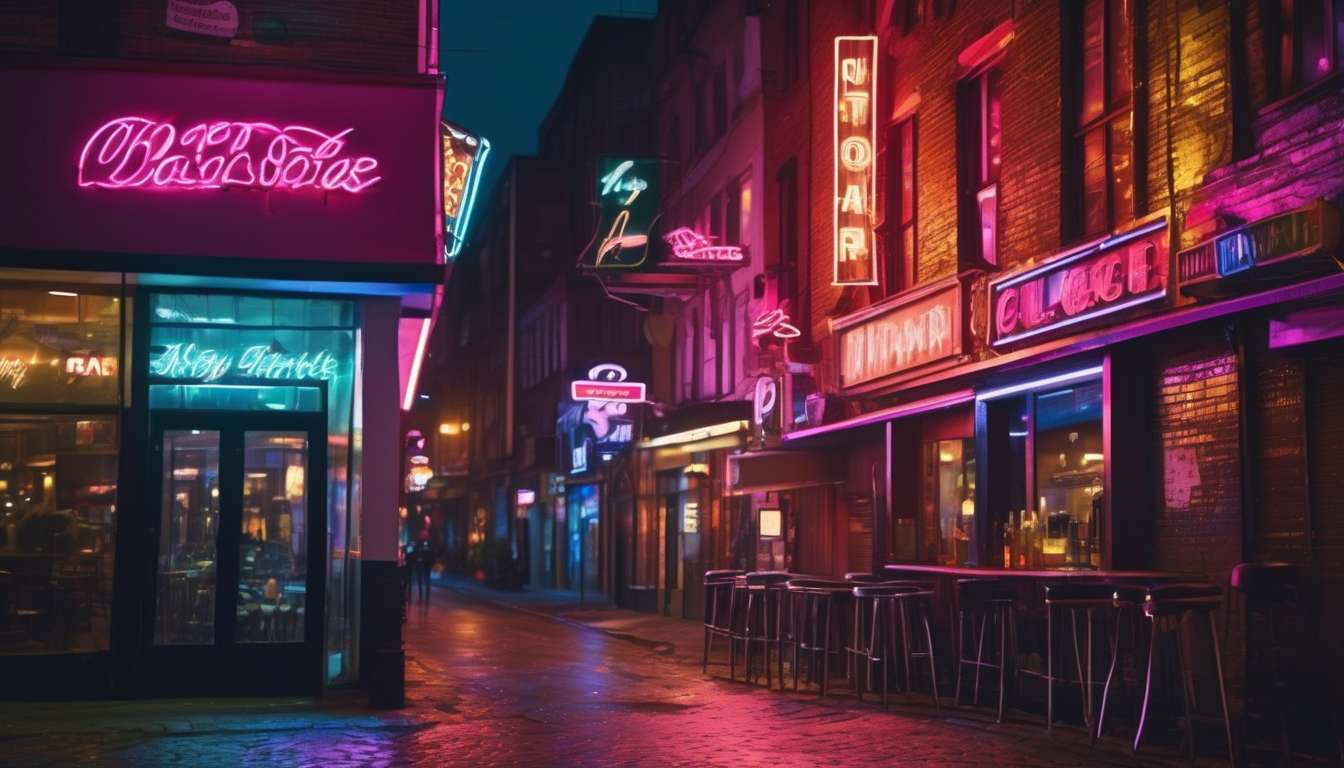
Aren’t we curious how a single planning decision can redraw the social map of a city overnight?
As urban planners, business owners, residents and regulars of late-night haunts, we watch redevelopment proposals with equal parts hope and apprehension.
We wonder who benefits when heritage venues are replaced by mixed-use towers and who pays when late licences are grandfathered out.
We argue over streetscape designs, noise ordinances and public safety measures, while our favourite bars and clubs negotiate new leases or vanish altogether.
We map the shifting routes of foot traffic and note the subtle displacement of communities that once defined nightlife culture.
We gather stories from bartenders, DJs and patrons whose livelihoods and rituals are entwined with the night.
And as these projects move from blueprint to reality, we must ask how to balance economic revitalization with preserving the cultural beating heart that makes a district unique.
Nightlife and Planning Conflicts
Nightlife and urban planning often clash when late-night venues and residential uses compete for space, noise limits, and operating hours.
Nightlife gentrification frequently brings new regulations and design standards that sideline venues rooted in local culture.
We want to protect shared social spaces by advocating clear, community-driven processes that balance residents’ needs with the vitality venues provide.
Cultural displacement is more than rent; it’s losing the sounds, faces, and rituals that make neighborhoods feel like home.
We support adaptive reuse that preserves stages, bars, and rehearsal rooms while upgrading safety and infrastructure, allowing legacy operators to remain part of the future.
We push for mediation panels, sound-mitigation grants, and predictable operating-hour frameworks that involve both long-time patrons and newcomers.
We’ll use planning tools to maintain inclusive nightlife corridors, ensuring diverse cultural expressions survive renewal.
By working together, we keep places where everyone feels they belong without sacrificing livability or creative energy.
Economic Pressures and Rent Hikes
Problem: nightlife gentrification and venue loss
We’re seeing rising rents and commercial pressures force long-standing venues to close or drastically change, often before city policies can respond. Beloved bars, clubs, and performance spaces get priced out, and economic incentives favor chains and luxury developments over the improvisational spaces that built our scenes.
Impact on communities
We feel the squeeze when venues close — it’s not just businesses lost but the social networks, cultural practices, and informal economies they sustain. Nightlife gentrification erases places that helped people belong, altering the character and accessibility of neighborhoods.
Strategies to keep venues viable
- Rent stabilization clauses for cultural tenants to limit sudden rent hikes and provide predictability.
- Community land trusts that allow local control of property and long-term affordability.
- Incentives for adaptive reuse that preserve original character while meeting safety and accessibility codes.
Community-driven policy and action
- Collaborative zoning reviews so local voices are heard before chains or luxury projects move in.
- Sharing resources and collective negotiation with landlords to secure fairer leases and support transitions.
- Organizing and voting for policy change that prioritizes cultural uses and protects small-scale operators.
Vision
We want a city where economic growth doesn’t erase the places that helped us belong — where policy and community tools work together to preserve cultural spaces and keep nightlife vibrant and accessible.
Cultural Displacement Patterns
We can track how neighborhoods shift when long-standing cultural practices and communities are pushed out by rising costs, changing demographics, and policy choices.
We notice nightlife gentrification when favorite clubs, informal venues, and cultural hubs close or change to suit new tastes.
We feel that loss together: familiar music, faces, and rituals fade as rents rise and developers prioritize profitable concepts over community roots.
Cultural displacement isn’t abstract for us — it’s neighbors losing gathering spots and artists losing affordable rehearsal and performance spaces.
We respond by documenting where adaptive reuse projects preserve facades but erase social functions, and by supporting initiatives that anchor culturally meaningful uses in redeveloped sites.
We push for planning that recognizes intangible heritage and creates affordable spaces for creatives and small promoters.
By centering belonging in renewal decisions, we can slow displacement, keep nights diverse, and ensure that new investments enhance rather than replace the practices that made neighborhoods vibrant.
Licensing and Regulatory Changes
We need to examine how shifting licensing rules and enforcement practices reshape who can open venues, what events are allowed, and which spaces survive after midnight.
Licensing changes favor established investors over grassroots operators.
- Tightened permit windows.
- Higher fees that push out small promoters.
Nightlife gentrification accelerates when conditional use permits prioritize upscale dining and branded entertainment.
- These permits often exclude community-driven music and late-night gatherings.
- Result: loss of informal and DIY cultural spaces.
Enforcement priorities disproportionately affect long-standing businesses and catalyze cultural displacement.
- Focus areas include noise complaints, intensified inspections, and stricter capacity limits.
- Longstanding venues face disproportionate closures or costly compliance.
Adaptive reuse projects introduce new license categories that transform warehouses into boutique concepts.
- Such projects change who feels welcome in formerly working-class or artist-led spaces.
- They can erase the original cultural uses that sustained neighborhood nightlife.
We advocate these policy reforms to protect cultural producers and inclusive nighttime economies:
- Tiered fee structures that scale with venue size and revenue.
- Community benefit requirements for new or changed licenses.
- Streamlined provisional licenses for grassroots promoters and emerging operators.
By aligning licensing with inclusive goals, we can preserve diverse nighttime economies and ensure neighborhood histories continue to belong to the people who made them.
Design Choices Shaping Streets
Many design choices — from curb widths and lighting to furniture placement and sidewalk materials — shape who uses our streets at night and how safe, welcoming, and vibrant they feel.
We think deliberately about sightlines, seating clusters, and mixed pavement to invite lingering without excluding existing users.
When designers prioritize wide sidewalks, subtle lighting, and sheltering trees, neighborhoods feel more inclusive.
When choices favor boutique storefronts and uniform finishes, they can accelerate nightlife gentrification and signal newcomers over long-term residents.
We value adaptive reuse of old warehouses and theaters because it preserves memory and creates layered, affordable venues rather than blank-slate developments that drive cultural displacement.
We advocate for varied scales of space — pocket parks, stages, and stoops — so different communities can claim corners of the night.
By centering accessible entrances, clear wayfinding, and flexible public furniture, we create streets that belong to everyone and sustain the local rhythms that make nightlife resilient and rooted.
Community Responses and Activism
Many neighborhood groups and longtime residents are organizing, protesting, and proposing alternatives to shape how nightlife evolves so it serves the people who live there.
We build coalitions across ages and backgrounds to challenge nightlife gentrification that prices out familiar venues and performers.
We gather at community meetings, sign petitions, and work with local councils to demand impact assessments and stronger tenant protections.
We tell stories of cultural displacement to remind planners that places carry memory and identity, and we center those voices in every negotiation.
We form mutual aid networks that support small promoters, artists, and workers facing eviction or lost stages.
While we push for policy changes, we craft inclusive events and shared programming that demonstrate another way forward—one that keeps music, food, and late-night culture accessible.
We champion transparent planning processes and insist on community representation at every table.
We hold developers accountable so renewal doesn’t erase the people who made neighborhoods vibrant in the first place.
Adaptive Reuse and Preservation
We repurpose old warehouses, theaters, and storefronts to preserve character while making them safe, accessible, and useful for contemporary nightlife.
We focus on adaptive reuse that keeps familiar facades, signage, and gathering places so neighbors feel seen rather than erased.
We work with longtime residents, artists, and small business owners to design spaces that welcome regulars and newcomers alike, resisting nightlife gentrification that prices out the people who made these districts vibrant.
Key strategies we use include:
- Affordable leases to keep spaces economically reachable for legacy operators and emerging creatives.
- Shared-use calendars to maximize access and reduce scheduling conflicts.
- Community land trusts to limit speculative displacement and secure long-term cultural ownership.
We update infrastructure—lighting, acoustics, accessibility— so venues meet modern needs without losing soul.
We document histories, commission local artists, and create interpretive displays so every visit reinforces belonging and acknowledges the neighborhood’s past.
We measure success by:
- Sustained participation from a broad cross-section of the community.
- Diverse programming that reflects local cultures and interests.
- The continued presence of legacy operators and creative practices.
By centering collaboration over top-down development, we help neighborhoods evolve while preserving the social fabric that makes nightlife meaningful for everyone.
Measuring Social and Economic Impact
We track clear social and economic indicators to see who participates, who profits, and who stays.
- We collect quantitative data — employment rates at venues, rent changes, small business revenues, and attendance demographics.
- We collect qualitative testimony from long‑time residents, artists, and venue owners.
- We measure nightlife gentrification by mapping new investments against closures of legacy spaces.
- We monitor cultural displacement through surveys about feelings of belonging and whether creative communities feel welcome.
We evaluate adaptive reuse projects by outcomes, not just preservation counts.
- We assess whether converted spaces support diverse programming and affordable tenancy.
- We set measurable targets for inclusive hiring, sliding‑scale rents, and cultural stewardship funds.
We report findings transparently and center lived experience.
- Findings are published in accessible formats and invited for community review.
- By combining transparent metrics with community input, we aim to ensure renewal fosters shared prosperity rather than replacing the people who made nightlife districts vibrant.
How have similar urban renewal projects affected nightlife safety and crime rates in other cities?
How similar projects affected nightlife safety and crime rates elsewhere
Mixed outcomes across cities. Some places reported reduced violent crime and improved lighting, while others experienced displacement of problems to adjacent neighborhoods.
Interventions that helped reduce incidents.
- Coordinated policing.
- Community-led design (e.g., sightlines, active frontages).
- Investment in public transit and late-night services.
Risks and harms that emerged.
- Displacement of crime to neighboring areas.
- Gentrification affecting longtime residents and workers.
- Uneven enforcement that can exacerbate inequities.
Key takeaway. Projects can improve nightlife safety when they combine equity-focused planning, community engagement, and complementary services (policing, design, transit); without those, benefits may be uneven and some groups may be harmed.
What specific financial assistance or incentives are available to help small nightlife businesses relocate or adapt?
Specific financial help to relocate or adapt small nightlife businesses
Small business loans
- Low-interest loans from banks and CDFIs (Community Development Financial Institutions).
- SBA-backed loans (including CDC/504 and 7(a)) for real estate, equipment, and working capital.
Emergency grants
- One-time emergency relief grants from city, county, or state emergency funds.
- Nonprofit or foundation grants targeted at cultural or small business recovery.
Low-interest relocation funding from local governments
- Municipal relocation or redevelopment assistance programs offering subsidized loans for moving costs and build-out.
- Redevelopment agency funds aimed at keeping businesses in the city when parcels are redeveloped.
Tax abatements and rent subsidies
- Property or business tax abatements for a set period after relocation or renovation.
- Direct rent subsidies or negotiated temporary rent reductions with landlords (sometimes supported by local government incentives).
Facade, retrofit, and build-out grants
- Grants or matching funds for exterior improvements, ADA/upgrades, and safety retrofits (e.g., soundproofing, ventilation).
- Historic-preservation or cultural-facility grants for buildings with heritage value.
Economic development and cultural preservation programs
- City or county economic development incentives designed to retain cultural and nightlife venues.
- Cultural preservation funds that prioritize venues contributing to local arts and nightlife identity.
Nonprofit microgrants and philanthropic support
- Small grants from arts and business-focused nonprofits or private foundations.
- Crowdfunding campaigns supported by matching nonprofit funds.
Workforce training subsidies
- Grants or tax credits to offset costs of training staff on new equipment, safety protocols, or revised service models.
- Partnership opportunities with local workforce boards for subsidized training programs.
Business Improvement District (BID) incentives and local partnerships
- BID-funded relocation assistance or promotional support to help businesses re-establish customer bases.
- Partnerships with chambers of commerce and local nonprofits for shared marketing, technical assistance, and lease negotiation support.
Next steps to pursue funding
- Identify and document specific needs: relocation cost estimate, build-out budget, and projected revenues.
- Research local government economic development, cultural affairs, and planning departments for available programs.
- Contact CDFIs, community banks, and the SBA about loan options and eligibility.
- Apply for grants (municipal, nonprofit, and philanthropic) with clear cultural/community impact statements.
- Engage a real estate attorney or commercial broker to negotiate tax abatements, rent subsidies, or relocation terms.
- Coordinate with BIDs, chambers, and workforce boards for combined incentives and training support.
If you’d like, I can:
- Search for typical local government and philanthropic programs in a specific city or state.
- Draft a short grant application outline or budget worksheet tailored to a nightlife venue.Tell me which you prefer.
How do nightlife workers (e.g., bartenders, DJs, security staff) experience changes in employment and labor conditions during redevelopment?
Nightlife workers are facing job loss, irregular hours, and lower tips as venues close or shift.
We feel anxiety from uncertainty, need to retrain for new roles, and cope with longer commutes when venues move.
We organize for fair severance, push for rehiring clauses, and share resources for licensing and mental health.
We stick together, demanding transparent transition plans and protections so nobody’s livelihood is left behind.
Conclusion
You’ve seen how urban renewal reshapes nightlife through planning clashes, rent spikes, and shifting regulations.
You’ve seen how design choices and adaptive reuse can either protect or erase cultural scenes.
You’ll confront trade-offs between economic development and community identity, and you’ll notice activists pushing back to preserve social fabric.
Moving forward, you’ll need to weigh measurable social and economic impacts when making policy or design decisions, aiming to keep vibrant, inclusive nightscapes intact.