
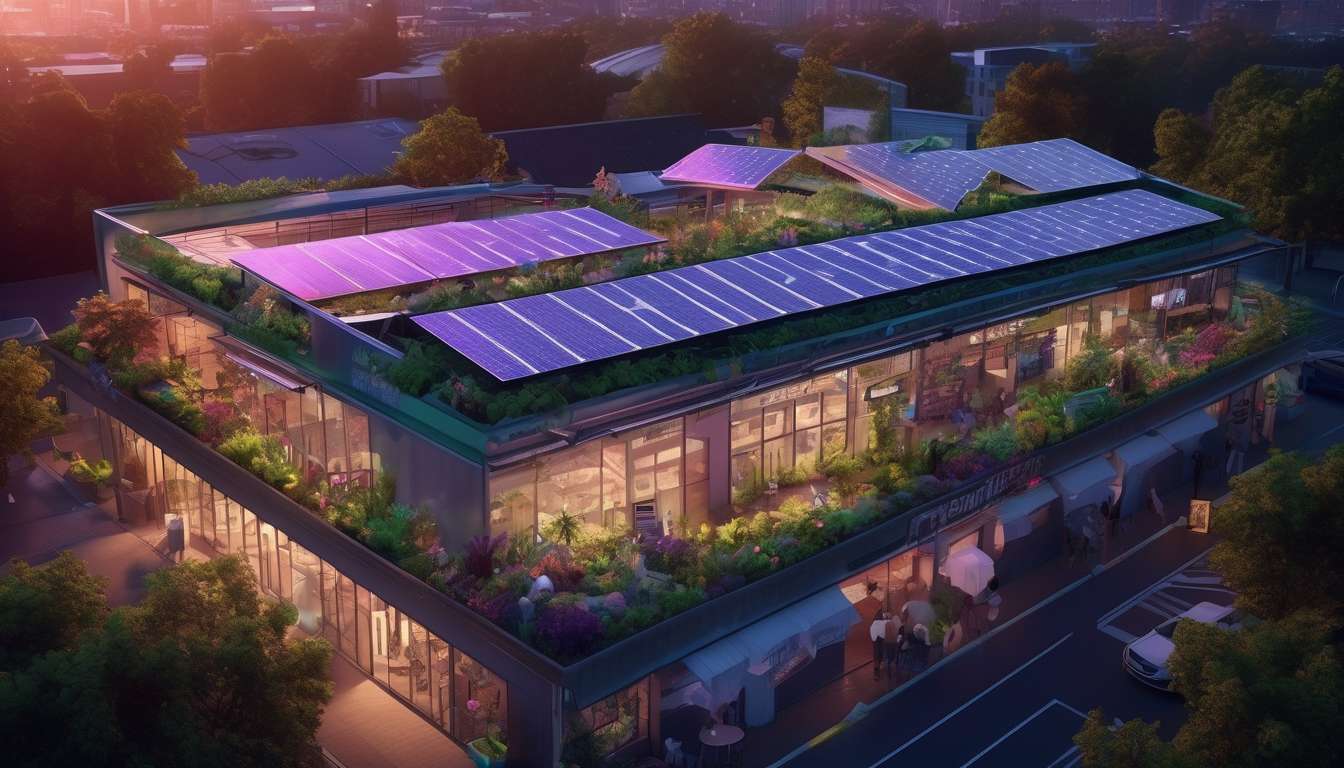
Perhaps we’ve always believed that sustainability is a luxury only large venues can afford — an admirable but costly ideal beyond the reach of our independent dance clubs.
We’re here to challenge that myth: smaller venues can implement green measures that pay for themselves and even improve the bottom line.
Drawing on case studies, energy audits, and owners’ experiences, we’ll show how simple steps can make a difference:
- LED lighting
- Efficient HVAC scheduling
- Waste diversion
- Community partnerships
These measures reduce utility bills, lower maintenance costs, and attract conscious patrons.
We’ll also explore funding options that remove upfront barriers, such as:
- Rebates and utility incentives
- Grants and nonprofit programs
- Crowd-supported upgrades and community fundraising
By reframing sustainability as pragmatic financial management rather than elective spending, we’ll map actionable strategies tailored to intimate club layouts, varied operating hours, and tight staffing.
Together, we’ll dismantle the misconception that eco-friendly practices are unaffordable and reveal how they can enhance resilience, profit margins, and cultural longevity for the grassroots dance scene.
Energy-saving Lighting
Energy reduction through targeted lighting upgrades.
We’ll cut energy use and costs by switching to LED fixtures, smart controls, and motion sensors tailored for club lighting needs. This reduces consumption while maintaining appropriate brightness and color for different club spaces.
LED retrofits by space.
We’ll plan LED retrofits across dance floors, bars, and back rooms so every space feels vibrant while drawing far less power.
Adaptive lighting controls.
We’ll sync lighting controls with event schedules and occupancy sensors so lights adapt to crowds — that saves energy and keeps our community comfortable.
Durability, repairability, and waste diversion.
By choosing durable, repairable fixtures, we’ll reduce frequent replacements and support waste diversion through recycling programs for old lamps and packaging.
Complementary HVAC efficiency measures.
We’ll pair lighting upgrades with modest HVAC efficiency measures that don’t require full system overhaul, ensuring cooler spots aren’t overlit or warmed unnecessarily.
Monitoring and community engagement.
We’ll track energy use after changes and share results with staff and regulars so everyone sees the impact and feels invested.
Overall benefits.
This approach helps us lower bills, create a welcoming atmosphere, and build a club culture where members know their presence and choices help the venue thrive.
HVAC Optimization
We’ll optimize HVAC performance by tuning controls, improving ventilation efficiency, and prioritizing targeted fixes that cut energy use without costly full-system replacements.
We know our club is more than a business — it’s a community — so we’ll involve staff and regulars in simple checks:
- Sealing duct leaks
- Cleaning coils
- Replacing worn belts
These actions boost HVAC efficiency and comfort while keeping upfront costs low.
We’ll pair these steps with LED retrofits for lighting to reduce overall heat load, making climate control easier and more efficient.
We’ll document baseline energy use, measure improvements, and share results with our team so everyone feels ownership.
For disposal, we’ll coordinate responsible waste diversion of old filters, motors, and lighting components to recycle centers, keeping our sustainability commitments transparent.
By focusing on targeted maintenance, modest equipment upgrades, and inclusive participation, we’ll cut operating costs and strengthen our sense of belonging — our club will be greener, comfier, and more resilient without major capital projects.
Smart Scheduling
Goal: cut energy use and labor costs by aligning HVAC, lighting, and staffing with actual event times and occupancy.
Smart scheduling will make the club run smarter, not harder, so every team member feels their time is valued.
How we’ll do it:
-
Integrate occupancy sensors and simple scheduling software.
- Ramp HVAC only when rooms fill.
- Dim or switch off LED retrofits between sets to avoid wasted lighting energy.
-
Coordinate load changes with front-of-house and back-of-house shifts.
- Match staffing to real demand to reduce overtime and burnout.
- Use clear schedules so staff can plan shifts and swaps, strengthening belonging while trimming costs.
-
Log data and iterate.
- Track recurring gaps and tweak start/stop times.
- Improve HVAC efficiency further without constant manual oversight.
Why this works tonight and long-term:
- Thermostats, timers, and task lists synced means energy, labor, and equipment all serve the party — and the people who make it happen.
- While pursuing waste diversion elsewhere, smart scheduling keeps operations lean immediately and provides data for ongoing improvements.
Waste Reduction
Waste reduction strategy — goals and approach
We’ll cut refuse and costs by reducing single-use items, improving recycling and composting, and designing bar and back‑of‑house workflows to produce less waste.
We’ll swap disposables for durable glassware and invest in dishwashing systems that pay back through reduced purchasing and landfill fees.
Crew roles and patron engagement
Our crew will set clear stations for recycling and composting so patrons feel part of the solution, not policing.
We’ll partner with local compost haulers and drop-off programs to boost waste diversion and track progress together.
Procurement and inventory controls
We’ll audit procurement to favor products with minimal packaging and negotiate with suppliers for refillable packages.
Donation programs and coordinated inventory controls will prevent overbuying by redirecting unwanted décor and excess items back into the community.
Staff training and contamination reduction
Staff training will standardize sorting to increase diversion rates and reduce contamination penalties.
Operational focus and expected outcomes
While we pursue LED retrofits and HVAC efficiency elsewhere in the club to cut energy bills, here we stay focused on material flows.
By aligning operations and community norms, we’ll:
- Shrink our trash footprint.
- Lower costs.
- Build a shared sense of stewardship that keeps the club thriving.
Water Conservation
Water use and cost reductions
We’ll cut water use and costs by installing low-flow fixtures, optimizing bar and restroom operations, and reusing graywater where safe and permitted.
Staff and patron engagement (shared ownership)
- Bartenders follow measured-pour and glass-rinse procedures.
- Barbacks use single-bucket mopping.
- Restrooms get aerators and timed faucets.
Benefits: shared ownership lowers utility bills and builds community pride.
Complementary energy and maintenance measures
- LED retrofits reduce heat load, easing HVAC needs so cooling systems use less water for condensate management.
- Track water meters and set simple benchmarks we can celebrate together.
- Prioritize repairs to stop leaks immediately.
Waste diversion and graywater use
- Incorporate waste diversion routines to keep solids out of plumbing, reducing clogs and unnecessary water use.
- When graywater systems are allowed, use them for landscaped areas or toilet flushing, following local codes.
Overall approach
These steps are practical, cost-conscious, and inclusive — helping the club thrive both environmentally and socially.
Funding and Incentives
We’ll pursue grants, utility rebates, and community financing options to offset upfront costs and accelerate our water- and energy-saving upgrades.
We’ll map available incentives to specific measures — LED retrofits, HVAC efficiency improvements, and enhanced waste diversion systems — so every dollar is tied to measurable savings.
We’ll apply for small-business and arts-focused grants that value cultural spaces and sustainability, and we’ll document projected payback periods to strengthen applications.
We’ll tap utility rebate programs for lighting and HVAC upgrades, combining incentives with bulk-purchase discounts to lower capital needs.
We’ll offer clear, shared bookkeeping templates so members and staff see how incentives reduce operating costs and fund future projects.
We’ll set aside modest matching funds from ticket surpluses to qualify for certain grants, showing commitment without risking daily operations.
We’ll track each incentive’s impact on cash flow and emissions, report progress back to our community, and reinvest savings into upkeep and equitable access.
Together we’ll secure funding that sustains both our club and our collective mission toward greener, more affordable nights.
Community Partnerships
Partnerships with local organizations
We’ll build partnerships with local nonprofits, schools, artists, and green businesses to share resources, expertise, and outreach for sustainable upgrades.
Community coalition structure and roles
We’ll create a community coalition that feels inclusive and practical:
- Neighbors bring ideas.
- Students help with audits.
- Artists lead awareness campaigns.
- Green vendors supply discounted LED retrofits and HVAC efficiency solutions.
Coordinated activities and shared resources
Together we’ll coordinate volunteer installation days, teach simple actions that lower bills, and pool grant knowledge so no one goes it alone.
Clear roles, check-ins, and accountability
We’ll set clear roles and regular check-ins so every partner knows how they contribute to energy savings and waste diversion goals.
Celebrate wins and use shared metrics
By celebrating small wins—swapping out bulbs, tweaking thermostats, redirecting recyclables—we strengthen bonds and show measurable cost reductions.
Open communication and storytelling
We’ll keep communication open, use shared metrics for accountability, and spotlight local stories so members feel seen.
Outcome
In this way, community partnerships become both a social hub and a practical engine for lowering operating costs while keeping our club vibrant and connected.
Maintenance and Monitoring
We will set up regular maintenance schedules and simple monitoring routines so systems keep performing efficiently and issues get fixed before they cost time or money.
Track LED retrofits to catch failing fixtures early.
- Replace drivers or bulbs before lighting quality drops and events suffer.
- Log retrofit dates, expected lifespans, and failure incidents.
Log HVAC efficiency metrics weekly and perform routine care.
- Clean filters and calibrate thermostats so dancefloors stay comfortable without wasting energy.
- Record temperature setpoints, runtimes, and energy use.
Pair temperature and runtime checks with monthly inspections to catch mechanical problems early.
- Inspect for leaks, worn belts, and control faults.
- Note anomalies and schedule corrective work before failures escalate.
Make monitoring inclusive so staff, volunteers, and regulars contribute to upkeep.
- Provide a shared checklist for reporting noises, flickers, or smells.
- Rotate small maintenance tasks so everyone contributes skills and learns.
Document repairs and savings in a communal dashboard to show impact and build support.
- Display LED retrofit status, HVAC improvements, repair logs, and measured cost or energy savings.
- Use the dashboard for planning budgets and prioritizing upgrades.
Add waste diversion checks to reduce costs and demonstrate responsibility.
- Ensure bins are labeled, compactors work, and recycling is collected.
- Track diversion rates and related savings to highlight the venue’s environmental performance.
How can sustainability upgrades be integrated without disrupting regular club events or affecting the dancer and patron experience?
Goal: Add upgrades without interrupting events or harming the vibe.
Plan:
- Schedule installations during off-hours and phase work room-by-room.
- Prioritize low-noise, quick-change systems.
Testing & Inclusion:
- Test lighting and sound with staff and regulars.
- Offer sneak-peek demos and gather feedback so everyone feels included.
Communication:
- Communicate timelines clearly.
- Keep temporary signage friendly.
Outcome:
- Improve comfort and sustainability while preserving the shared nightlife experience.
What are the typical payback periods for different sustainability investments specific to small or independent dance clubs (e.g., LED retrofit vs. heat-recovery systems)?
LED lighting often repays fastest — typically 1–3 years from lighting retrofits.
Efficient HVAC tweaks and smart controls generally return investment in 3–7 years.
Heat-recovery systems or upgraded chillers usually take 5–10 years, depending on usage patterns.
Solar arrays commonly pay back in 6–12 years, especially when incentives are available.
Estimation considerations:
- Local energy prices
- Available incentives and rebates
- Building/event schedules and usage patterns
We’ll factor these variables together when estimating specific timelines for your project.
Are there lighting or HVAC changes that might require updating permits, fire codes, or insurance policies for performance spaces and how should clubs navigate that?
When changing lighting or HVAC in performance spaces, we may trigger permit, fire-code, or insurance updates.
Why: New fixtures, altered egress lighting, smoke control changes, or added generators can affect life-safety systems and coverage.
Steps to manage risk and compliance:
- Consult local building and fire departments to determine permit and code requirements.
- Review the facility’s insurance policy and notify the insurer if changes might affect coverage.
- Hire licensed contractors to perform work and provide documentation of compliance (plans, permits, inspection reports).
- Obtain written approvals or permits before work begins.
- Keep the community informed about changes that may affect safety or access.
- Retain all records and documentation so you can demonstrate compliance and maintain insurance coverage.
Key points to remember:
Consult authorities and insurers first.
Use licensed contractors and get written approvals.
Maintain clear records and communicate with the community.
Conclusion
You’ve seen how practical sustainability projects cut costs and boost resilience for independent dance clubs.
By upgrading lighting, optimizing HVAC, and using smart scheduling, you’ll lower energy bills and extend equipment life.
Waste and water savings reduce expenses further.
Funding, incentives, and community partnerships ease upfront costs.
With regular maintenance and monitoring, you’ll keep savings steady and improve guest experience—making your club more profitable, sustainable, and ready for the long haul.